








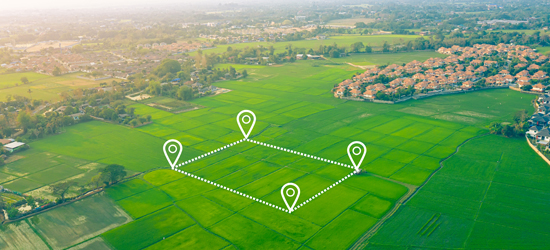


Types of Properties Found Across the Region
Property stock in Famagusta covers many
options such as residential, touristic, agricultural and commercial options:
● Apartments: One-bedroom and two-bedroom apartments, well suited to seasonal lets or long-term living. Many sit close to beaches, with sea views and shared facilities included.
●
Detached villas: Families and retirees tend to gravitate here. These holiday homes
often come with private gardens, pools and secure parking, and demand stays
high in Paralimni, Protaras, Cape Greko, Agia Napa and Agia Thekla.
●
Touristic land: Fields and plots are available in areas where footfall and
touristic activity are climbing, which offers investors great development
opportunities.
●
Commercial property: Shops, office buildings and multi-use developments, come in varying
sizes and statuses for all businesses and entrepreneurs looking for their next
premises.
Comparing Neighbourhoods and
Areas in Famagusta
Picking the right area ranks among the
most important parts of any property search. A few standouts within the
district:
●
Agia Napa: Beaches and a lively town
centre make it a favourite among holiday home seekers and short-term rental
investors.
●
Paralimni: Residential convenience meets
coastal appeal, with schools, shopping facilities and a local hospital close
at hand.
●
Protaras: Crystal clear waters and
upmarket beach resorts define this stretch, suiting luxury villa buyers or
anyone wanting comfort within reach of the sea.
●
Deryneia and Frenaros: Locals and
expatriates both settle here, drawn by a traditional community feel alongside
modern services.
Every location carries its own rhythm,
pricing structure and development outlook, so assessing personal needs before
purchasing matters more than it might initially seem.
The Process of Purchasing
Property in Famagusta
Buying real estate in Cyprus is
reasonably straightforward, although due diligence still counts. For
prospective owners in Famagusta, particularly newcomers to the market, a
structured approach helps:
1. Define Your Priorities
Decide on size, intended use
(residential or commercial) and proximity to key services.
2. Set Your Financial
Parameters
Budgeting covers purchase cost, legal
fees, transfer taxes, likely renovation work and ongoing maintenance. Cypriot
banks offer mortgage options to foreign nationals under certain conditions,
and many buyers pursue them.
3. Research Locations and
Listings
Location is one of the most important
aspects in finding a property. Researching and visiting a few areas first is
worth doing, to ensure you identify the right place for your needs.
4. Arrange Viewings
Seeing a property in person remains
among the most reliable ways to judge whether it feels right. Pay attention
to nearby infrastructure, construction quality, and future growth potential
during the visit.
5. Bring in Legal
Assistance
A licensed solicitor experienced in
Cypriot property law confirms title deed clarity, contract accuracy and full
compliance. Non-Cypriot purchasers should treat this step as essential.
6. Make an Offer
Once a suitable match appears, the real
estate partner and legal team negotiate price and conditions. Offers are
usually written, and a reservation fee frequently accompanies them.
7. Finalise the
Transaction
After terms are agreed and contract is
signed, the land registry procedures start.
8. Register Ownership
The buyer registers ownership at the
local Land Registry office. Legally speaking, that completes the purchase,
and an ownership certificate follows.
What Makes the Famagusta
Region Unique?
Culture, community, and natural scenery
shape life across the district in a way that is hard to reproduce elsewhere.
Along the eastern coastline sit some of the island's best-known
beaches—Nissi Beach, Fig Tree Bay and Konnos Bay among them. Cape Greko
National Park draws hikers, picnickers and photographers, while religious
landmarks such as Profitis Elias Chapel add another layer to the
landscape.
Leisure and nature aside, transport
links here are strong, retail centres are modern, and healthcare
infrastructure keeps expanding. Schools and higher education facilities pull
in local families and expatriate communities alike.
Food festivals, music festivals and local events encourage residents to mix, building a friendly atmosphere that people notice fairly quickly. English is widely spoken, and the blend of cultures lends daily life a cosmopolitan edge.
Key Amenities and Services
Everyday convenience forms part of
what makes Famagusta comfortable to live in. Residents have access to:
●
Healthcare: Public and private clinics
are widely available.
●
Retail: Modern shopping centres, local produce
markets and high-street stores.
●
Education: Primary and secondary schools,
plus higher education options.
●
Public transport: Bus routes, with easy
car travel to Larnaca, Nicosia and Limassol.
●
Hospitality and dining: Traditional
tavernas, international cuisine and sea-facing cafés.
Whether life plays out by the water or
somewhere more rural, the region supports a balanced routine.
Work with Famagusta Property
Professionals
A purchase tends to go well when
trusted partners are involved. Specialists such as the GoGordian Real Estate team hold deep knowledge of the local Famagusta market and the
wider Cyprus market too. Their listings take in seafront properties,
commercial buildings, residential and agricultural fields matched to
individual requirements. Current market data, price movements and areas’
trends are all things the team can walk buyers through.
Additional Resources
Curious about property beyond the East Coast? Take a look at the options in Paphos, or read the guide to purchasing property in Cyprus for further procedural detail.